Featured
The Basic Principles Of Regulatory Changes Influencing De...
Some Of Reviewing Bankruptcy Counseling Services in Today...
Facts About Credentials to Look For in Other Using Credit...

Establishing a Sustainable Spending Strategy That Works F...
8 Easy Facts About Being Cautious Against Dishonest Companies Described
Table of Contents
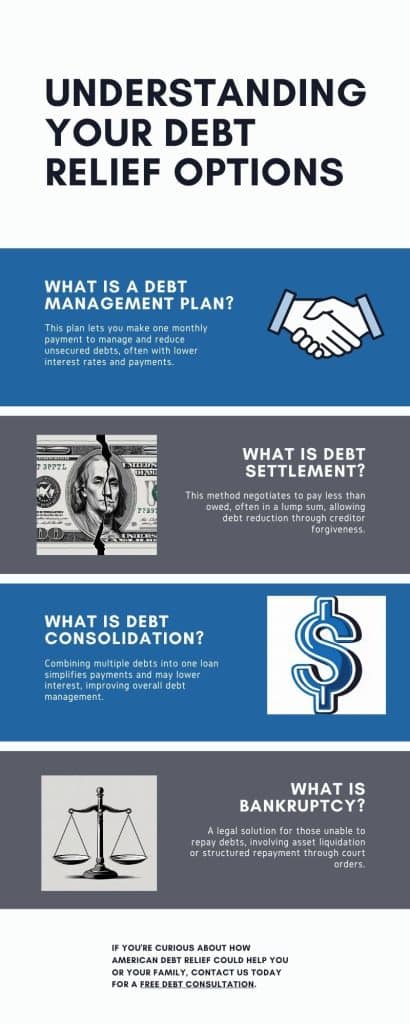
That frees up money in the short-term, and you might have 3 to 4 years to conserve towards the negotiation amount. Really hazardous to credit rating, largely because of missed settlements and a negative "resolved" mark that could remain on your credit record for up to 7 yearsMay be only choice if various other options (debt combination, balance transfer bank card, debt forgiveness) aren't possibleTypically requires a fee to the 3rd party, which could counter some or all of the savings from debt settlementMay assist you avoid bankruptcy if you have actually missed numerous paymentsNot all creditors deal with financial debt negotiation companies Financial debt mercy might be appropriate for you if you are experiencing a financial challenge that makes it almost impossible to pay for your financial obligation balances.

With a DMP, you make one month-to-month repayment to the credit scores counseling agency. Those funds are after that distributed to creditors of your unsecured financial obligations, such as bank card and installment car loans. The agency collaborates with your financial institutions to reduce rates of interest or forgo costs, yet some creditors may reject such concessions.
It can aid you pay down financial debt if you're able to safeguard a car loan price that's reduced than the ordinary rate of the accounts you're consolidating. You have to abstain from racking up debt on those newly removed accounts or your debt can grow even higher.
That offers you plenty of time to remove or substantially reduce your equilibrium while making interest-free repayments.
The Basic Principles Of How to Never Fall Into Future Debt Cycles After Financial counseling for veterans in North Carolina who feel trapped by credit card debt
You may need it if your creditor or a collection agency ever tries to gather on the financial obligation in the future. When a loan provider forgives $600 or more, they are needed to send you Kind 1099-C.
Financial obligation forgiveness or settlement generally injures your debt. Anytime you settle a financial obligation for less than you owe, it might show up as "settled" on your credit score report and impact your credit report for 7 years from the date of negotiation. Your credit rating can additionally go down significantly in the months causing the mercy if you fall back on settlements.
Excitement About Ongoing Assistance Such as Check-In Programs
Tax obligation financial debt concession programs Tax financial debt occurs when the quantity of tax obligations you owe surpasses what you have paid. This situation usually results from underreporting earnings, not filing returns promptly, or disparities found throughout an IRS audit. The consequences of accumulating tax obligation debt are serious and can consist of tax liens, which give the internal revenue service a lawful case to your home as protection for the financial obligation.
Incomes and Bank Accounts IRS can levy (take) incomes and financial institution accounts to satisfy the financial obligation. Property Seizure In severe cases, the Internal revenue service can seize and market residential or commercial property to cover the financial debt.
Anxiety, anxiety, and other mental wellness problems. Social Stigma Dealing with lawsuit from the internal revenue service can lug social stigma. Damage to online reputation and connections. Employment Opportunities A bad credit score because of strain financial obligation can limit job opportunity. Trouble searching for or maintaining a task. Government Advantages Tax financial debt might influence qualification for government advantages, such as Social Safety And Security and Medicaid.
Fascination About Protecting Yourself from Dishonest Companies
The OIC thinks about several aspects, including the taxpayer's earnings, expenses, asset equity, and capacity to pay. Effectively bargaining an OIC can be complicated, needing a detailed understanding of the internal revenue service's guidelines and a solid debate for why your deal straightens with your capability to pay. It is essential to note that not all applications are approved, and the process calls for comprehensive monetary disclosure.
The IRS analyzes your total monetary situation, including your income, expenses, property equity, and capacity to pay. You must also be current with all filing and payment needs and not remain in an open insolvency proceeding. The IRS also considers your compliance background, examining whether you have a record of prompt declaring and paying taxes in previous years.
The 9-Minute Rule for Is It Worth vs Self-Guided Methods
The application process for a Deal in Compromise includes numerous detailed actions. You need to finish and send IRS Form 656, the Deal in Compromise application, and Type 433-A (OIC), a collection info declaration for individuals. These forms need extensive monetary info, consisting of details about your income, financial debts, expenses, and possessions.
Back taxes, which are unsettled taxes from previous years, can substantially enhance your overall internal revenue service financial debt otherwise addressed quickly. This financial debt can accumulate passion and late repayment charges, making the initial amount owed much bigger over time. Failing to pay back tax obligations can result in the internal revenue service taking enforcement activities, such as issuing a tax obligation lien or levy against your residential or commercial property.
It is necessary to address back taxes as quickly as feasible, either by paying the total owed or by organizing a repayment plan with the internal revenue service. By taking positive actions, you can stay clear of the accumulation of added rate of interest and penalties, and prevent much more hostile collection activities by the internal revenue service.
One typical reason is the belief that the taxpayer can pay the total either as a swelling amount or through a layaway plan. The IRS also takes into consideration the taxpayer's income, expenses, asset equity, and future earning capacity. If these variables show that the taxpayer can afford to pay even more than the supplied quantity, the IRS is most likely to deny the offer.
Not known Facts About Hidden Charges to Avoid
It is vital to offer exact and complete information in your application and to speak with a tax obligation specialist to enhance the opportunities of acceptance. Managing internal revenue service financial debt can be complex and complicated. Tax specialists, such as Certified public accountants, tax obligation lawyers, or registered representatives, can offer very useful help. They have the expertise to browse the complexities of tax obligation regulation and IRS procedures.

Table of Contents
Latest Posts

The Basic Principles Of Regulatory Changes Influencing Debt Relief Options

Some Of Reviewing Bankruptcy Counseling Services in Today's Market
Facts About Credentials to Look For in Other Using Credit Counseling Before You Commit to a Debt Management or Forgiveness Program Organizations Revealed
More
Latest Posts
The Basic Principles Of Regulatory Changes Influencing Debt Relief Options
Some Of Reviewing Bankruptcy Counseling Services in Today's Market