Featured
The Basic Principles Of Regulatory Changes Influencing De...
Some Of Reviewing Bankruptcy Counseling Services in Today...
Facts About Credentials to Look For in Other Using Credit...

Establishing a Sustainable Spending Strategy That Works F...

The Main Principles Of Support Offered for Anyone's Financial Recovery Journey
Table of Contents
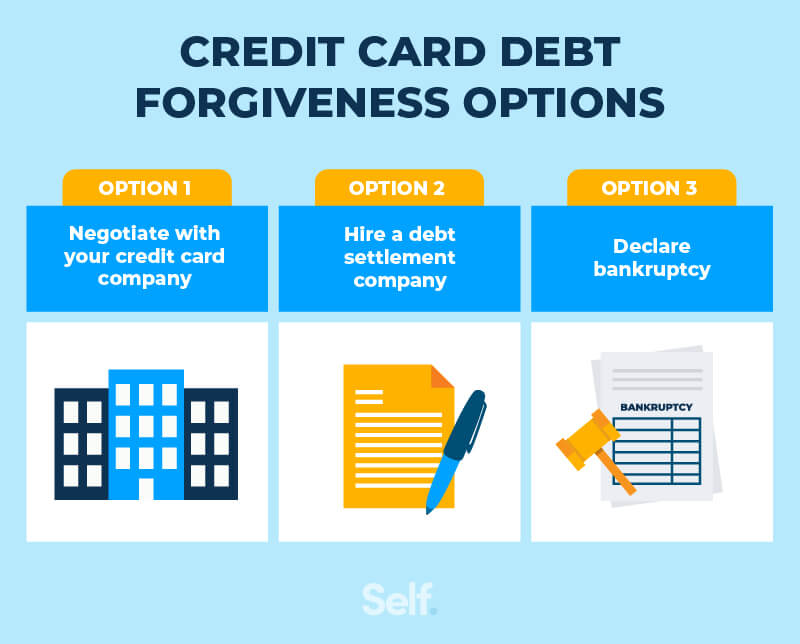
That frees up cash in the short-term, and you may have three to 4 years to save towards the settlement quantity. Very hazardous to credit history, primarily due to missed payments and an unfavorable "worked out" mark that might remain on your debt record for up to 7 yearsMay be only option if other options (financial obligation combination, balance transfer charge card, debt forgiveness) aren't possibleTypically requires a fee to the 3rd party, which could counter some or all of the savings from financial obligation settlementMay assist you avoid bankruptcy if you've missed out on several paymentsNot all lenders collaborate with debt negotiation business Debt forgiveness might be appropriate for you if you are experiencing a monetary difficulty that makes it almost difficult to pay for your financial obligation equilibriums.
With a DMP, you make one month-to-month repayment to the credit counseling agency. Those funds are then dispersed to creditors of your unprotected financial debts, such as charge card and installment financings. The firm works with your creditors to reduce rate of interest or waive fees, however some financial institutions may decline such concessions.
It can assist you pay down financial debt if you're able to safeguard a financing rate that's lower than the average price of the accounts you're settling. You should abstain from racking up financial obligation on those recently gotten rid of accounts or your financial obligation can expand even higher.
These cards often supply a 0% passion initial duration of as much as 21 months. That gives you lots of time to eliminate or dramatically minimize your balance while making interest-free payments. For some people encountering overwhelming financial obligation, personal bankruptcy might be the only method to stop collection process and lawfully resolve their financial obligations.
Excitement About New Legislation Affecting Debt Relief Procedures
You might require it if your creditor or a collection company ever tries to gather on the financial debt in the future. When a lending institution forgives $600 or even more, they are called for to send you Form 1099-C.
Financial obligation forgiveness or settlement often injures your credit. Anytime you clear up a financial obligation for less than you owe, it may look like "cleared up" on your credit record and impact your credit rating for seven years from the day of settlement. Your credit report can likewise go down significantly in the months leading to the forgiveness if you fall back on payments.
The 10-Minute Rule for Technology Transforming Bankruptcy Services
Tax financial obligation concession programs Tax obligation debt occurs when the quantity of taxes you owe exceeds what you have paid. This scenario typically arises from underreporting earnings, not submitting returns on time, or inconsistencies located throughout an IRS audit. The repercussions of gathering tax debt are serious and can include tax obligation liens, which offer the internal revenue service a legal insurance claim to your home as security for the debt.
Greater passion prices on readily available credit history. Earnings and Bank Accounts IRS can levy (take) incomes and financial institution accounts to satisfy the financial obligation. Minimized earnings and disruption of essential economic procedures. Building Seizure In extreme cases, the internal revenue service can take and offer building to cover the financial obligation. Loss of valuable assets and potential displacement.
Social Stigma Dealing with lawful activity from the Internal revenue service can lug social stigma. Employment Opportunities A bad credit report rating due to tire debt can limit work chances. Federal government Benefits Tax debt might influence eligibility for government benefits, such as Social Security and Medicaid.
More About Why Avoiding to Get Bankruptcy Counseling May Cost You
The OIC thinks about a number of aspects, including the taxpayer's revenue, costs, asset equity, and capacity to pay. Efficiently discussing an OIC can be complex, calling for an extensive understanding of the IRS's standards and a solid debate for why your offer lines up with your capability to pay. It's crucial to note that not all applications are accepted, and the process calls for detailed financial disclosure.
The IRS analyzes your overall financial situation, including your revenue, costs, property equity, and capacity to pay. You should additionally be current with all filing and payment requirements and not remain in an open personal bankruptcy case. The IRS likewise considers your conformity history, evaluating whether you have a document of timely filing and paying taxes in previous years.
The 4-Minute Rule for Getting Support for Anyone's Financial Recovery Journey
The application process for a Deal in Compromise includes several thorough actions. Initially, you must finish and submit IRS Kind 656, the Deal in Concession application, and Form 433-A (OIC), a collection info declaration for people. These types need thorough financial info, including information regarding your earnings, debts, costs, and properties.
Back taxes, which are unpaid tax obligations from previous years, can significantly increase your overall IRS financial obligation otherwise dealt with promptly. This financial debt can accrue rate of interest and late settlement penalties, making the original amount owed a lot larger gradually. Failure to repay tax obligations can result in the internal revenue service taking enforcement activities, such as releasing a tax obligation lien or levy against your building.
It is very important to address back tax obligations asap, either by paying the sum total owed or by preparing a repayment plan with the IRS. By taking aggressive actions, you can avoid the accumulation of added interest and fines, and prevent much more aggressive collection actions by the IRS.
One typical factor is the belief that the taxpayer can pay the sum total either as a swelling sum or via a payment plan. The internal revenue service also thinks about the taxpayer's revenue, expenses, property equity, and future earning capacity. If these elements show that the taxpayer can manage to pay even more than the provided quantity, the internal revenue service is likely to deny the offer.
No-Cost Digital Debt Counseling Materials Available by APFSC Fundamentals Explained
Dealing with Internal revenue service financial obligation can be intricate and daunting. Tax obligation professionals, such as CPAs, tax attorneys, or enlisted representatives, can give very useful assistance.

Table of Contents
Latest Posts

The Basic Principles Of Regulatory Changes Influencing Debt Relief Options

Some Of Reviewing Bankruptcy Counseling Services in Today's Market
Facts About Credentials to Look For in Other Using Credit Counseling Before You Commit to a Debt Management or Forgiveness Program Organizations Revealed
More
Latest Posts
The Basic Principles Of Regulatory Changes Influencing Debt Relief Options
Some Of Reviewing Bankruptcy Counseling Services in Today's Market